Posts

Showing posts with the label Mental health

Child Psychologist: A Guide to Understanding Anxiety in Children
Image
  As a child psychologist, I have encountered many young patients struggling with anxiety. To give children the support and assistance they need, parents and other caregivers must be able to spot the early warning signs of anxiety. Anxiety in children can manifest in various ways, including physical symptoms, behavioral changes, and emotional distress. By understanding these signs and implementing effective support strategies, we can help children navigate their anxiety and build resilience for the future. What are the Early Signs of Anxiety in Children? Early treatments for anxiety in children depend on identifying its early symptoms. Some common signs to look out for include: Excessive Worry: Children with anxiety may exhibit constant worry or fear about everyday situations. Physical Symptoms: These may include stomachaches, headaches, or other unexplained physical discomfort. Behavioral Changes: Anxiety can lead to changes in behavior, such as irritability, restlessness, or d...

Understanding Childhood Development: Insights from Leading Child Psychologists

Image
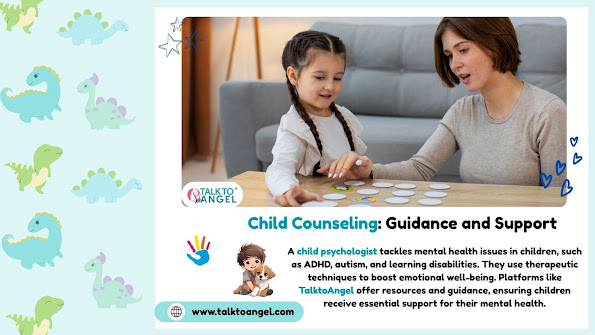
  In today's fast-paced world, parents are constantly seeking guidance on how to best nurture their child's development. This is where child psychologists come into play, offering valuable insights and strategies to support children's emotional and cognitive growth. Let's dive into the world of childhood development and explore the expertise of leading child psychologists in fostering a healthy and thriving future for our little ones. The Role of a Child Psychologist Child psychologists specialize in understanding and addressing the unique psychological needs of children. They work closely with young patients to assess and diagnose various developmental issues, such as Autism , ADHD , trauma, and learning disabilities . By providing tailored therapy and interventions, child psychologists help children navigate challenges and build essential skills for success. Why Seek Help from a Child Counselor? Child counselors play a crucial role in supporting children's menta...

Understanding the Role of EAP Counseling in Employee Wellness

Image
  In the fast-paced business environment of today, employee well-being is more crucial than ever.  Many companies are realizing the importance of promoting a healthy work environment for their employees. One way they're doing this is through Employee Assistance Programs (EAPs) that offer counseling services to help employees manage stress, anxiety, and other mental health issues. But what exactly is the role of EAP counselling in employee wellness , and how can it benefit both employees and employers? What is EAP Counseling? Employee Assistance Programs (EAPs) are company-sponsored programs that provide free and confidential counseling services to employees. These programs are designed to help employees deal with personal and work-related issues that may be affecting their mental health and overall well-being. EAP counselors are trained professionals who can assist employees in navigating difficult situations and finding solutions to their problems. The Role of EAP Counseling...

The Benefits of Play Therapy for Children: A Comprehensive Guide

Image
  Introduction In today's fast-paced world, children are often faced with numerous challenges that can impact their mental and emotional well-being. Play therapy is a specialized form of therapy that can help children navigate these challenges in a safe and nurturing environment. In this comprehensive guide, we will explore the benefits of play therapy for children , the role of a child counselor and child psychologist in the process, and how play therapy can be a valuable tool in the treatment of conditions such as autism and ADHD. We will also delve into the online platform TalktoAngel and how it provides convenient access to trauma therapy for children in need. What is Play Therapy? Play therapy is a form of therapy that allows children to express themselves through play, rather than traditional talk therapy. This approach recognizes that children may not have the verbal skills to articulate their thoughts and feelings, but can communicate through play. Play therapy uses toys...